

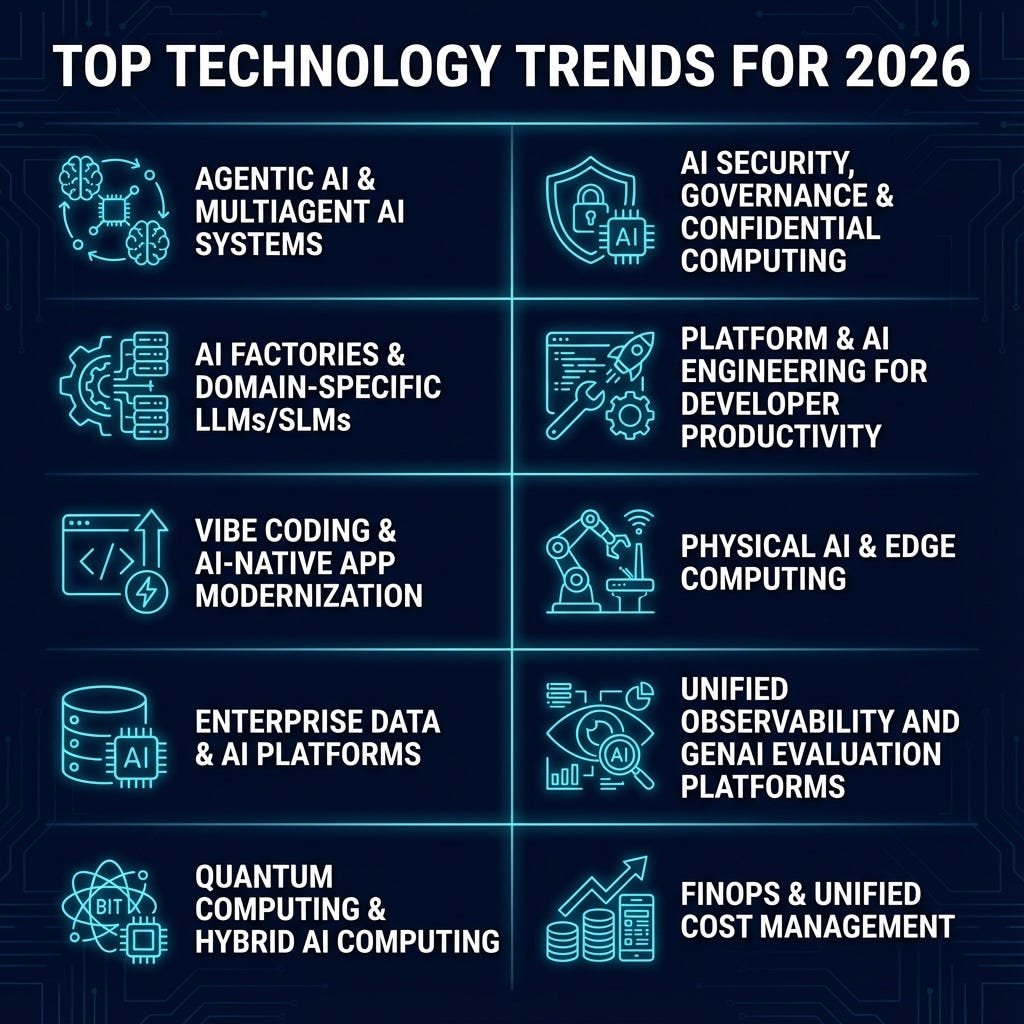
The Evolution of Autonomous AI Agents

In 2026, the artificial intelligence landscape is shifting from simple chatbots to sophisticated autonomous agents. Unlike the tools of the past, these agents can plan, execute, and refine multi-step tasks with minimal human intervention. Businesses are increasingly integrating these systems to manage complex workflows, from supply chain logistics to personalized software development, significantly boosting efficiency across all sectors.
Sustainability Through Green Technology
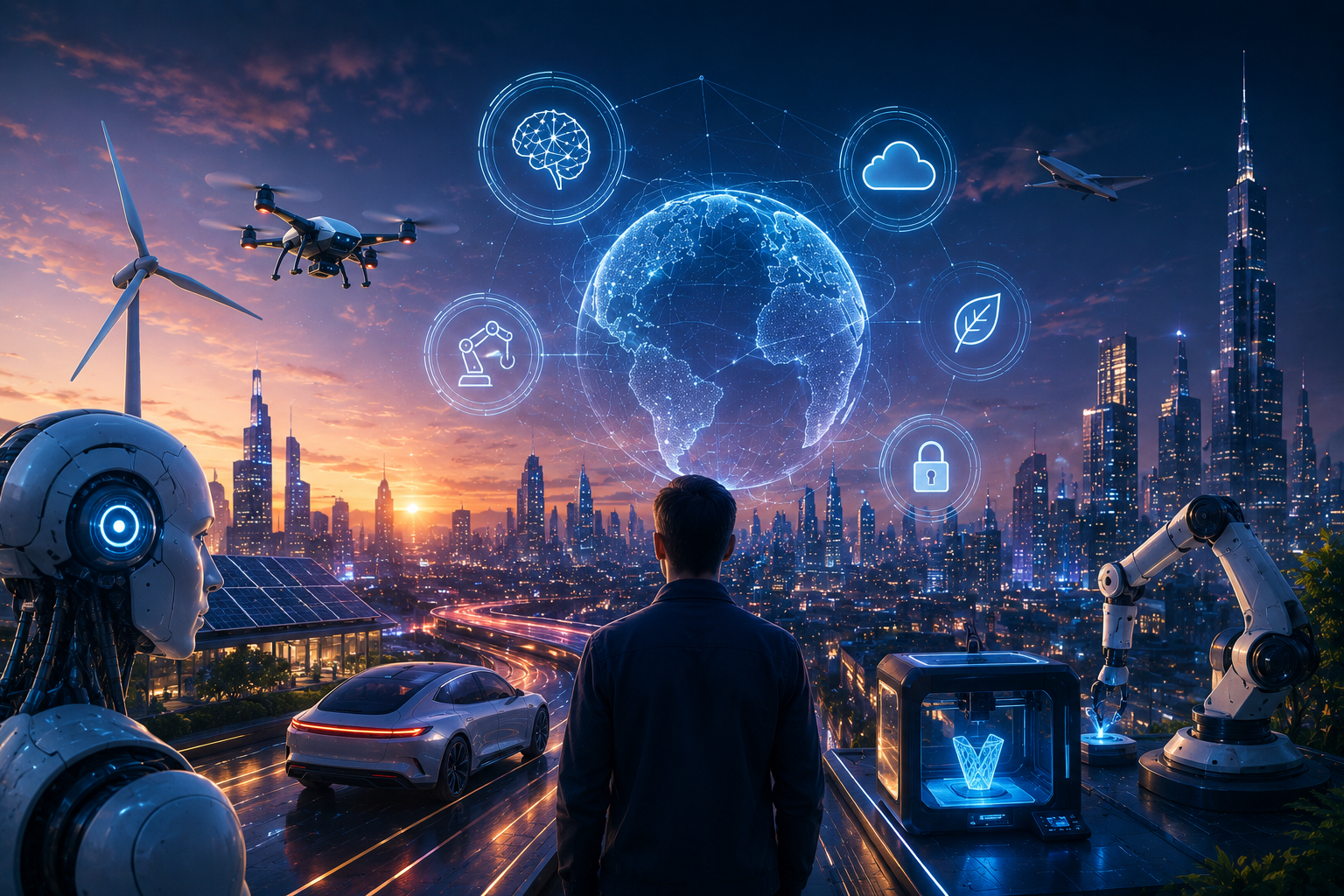
Sustainability has moved beyond corporate social responsibility to become a core technological imperative. By 2026, advancements in energy-efficient data centers and smart grid technologies are drastically reducing the carbon footprint of massive digital infrastructures. Innovation in battery chemistry, particularly solid-state batteries, is also transforming the electric vehicle market, offering longer range and faster charging capabilities that make sustainable transport a reality for the masses.
Smart Grid Integration
Energy management systems are now using real-time data to balance loads across regional power grids. This minimizes waste and ensures that renewable sources like wind and solar are utilized at peak efficiency.
Circular Economy Tech
Blockchain and IoT sensors are being used to track product lifecycles, ensuring that materials are recycled and reused effectively, creating a truly closed-loop manufacturing process.
The Expansion of Edge Computing
Cloud computing is no longer the sole home of data processing. The expansion of 6G connectivity and improved edge hardware has enabled real-time data analysis at the source. This is critical for technologies like autonomous vehicles and industrial robotics, which require microsecond latency to operate safely. By processing data at the edge, organizations reduce bandwidth costs and ensure that critical systems remain functional even in remote or disconnected environments.
Low-Latency Applications
Industries such as precision manufacturing now rely on local edge servers to monitor equipment health and make split-second adjustments, preventing downtime before it occurs.
Cybersecurity in a Quantum Era
As quantum computing moves from laboratory research to commercial viability, traditional encryption standards are facing significant threats. The top cybersecurity trend for 2026 is the implementation of post-quantum cryptography. Companies are proactively upgrading their protocols to protect sensitive data against the potential decryption power of future quantum machines. This ‘security-first’ approach is the new standard for digital trust in an interconnected world.
How to Prepare for the 2026 Tech Landscape
Staying competitive in this fast-paced environment requires a proactive strategy rather than a reactive one. Organizations should prioritize digital upskilling of their workforce, ensuring that human teams can collaborate effectively with AI counterparts. Furthermore, adopting an agile mindset is essential for pivoting as new breakthroughs emerge.
| Technology Trend | Key Benefit |
|---|---|
| Autonomous AI | Increased operational efficiency |
| Green Tech | Reduced environmental impact |
| Edge Computing | Minimized latency |
| Post-Quantum Security | Future-proof data protection |